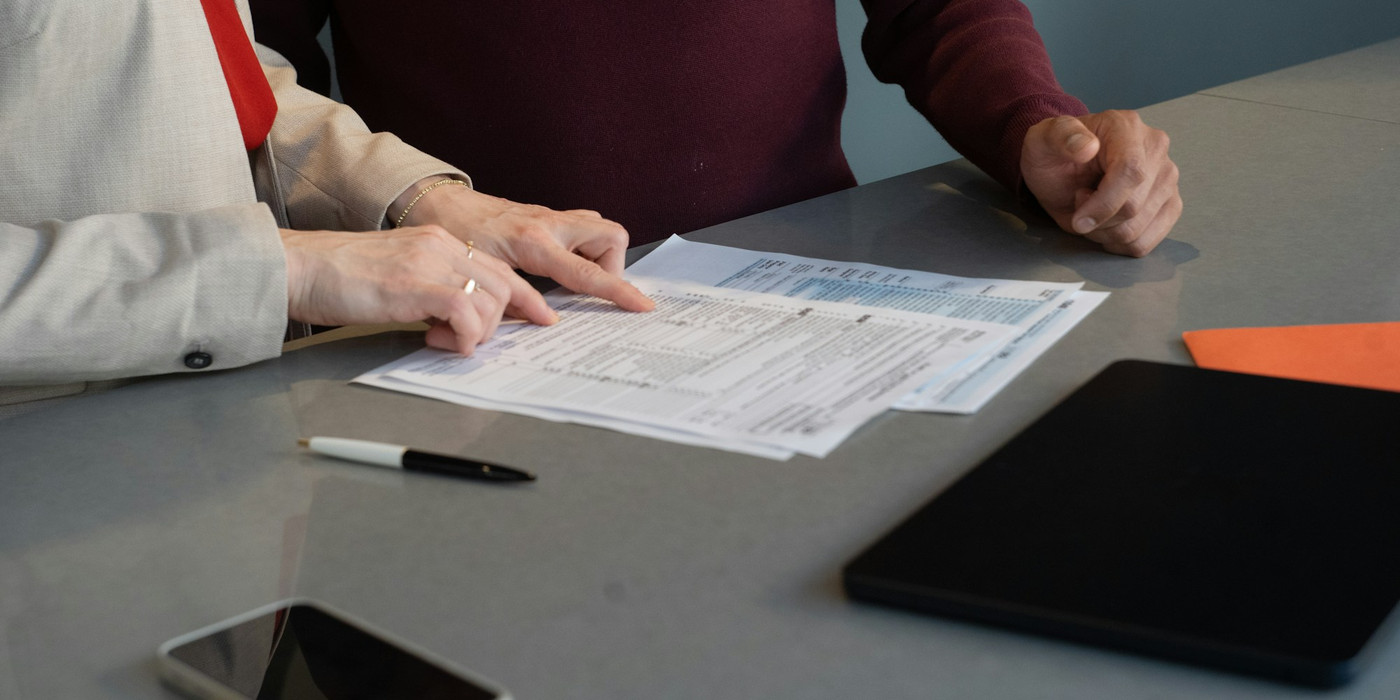
Until this month, plenty of renters found out what the agent wanted from their bond when the RTBA email turned up with a figure already in it. You’d moved, you’d handed back the keys, and somebody had already put a price on the oven.
That changed on 13 October 2026. Consumer Affairs Victoria now lists “Strengthened bond claims” among the rental law changes in effect, and its bond claims page, updated on 14 October, now spells out what a rental provider has to do before they lodge a claim. I clean a lot of properties on the last day of a lease, and most of the bond arguments I hear about start exactly here.
What the rental provider has to do now
CAV’s bond claims page has a new section called “Before claiming the bond – notice and evidence”. If the rental provider intends to claim all or any part of the bond, before making the claim they must:
- Notify the renter that they intend to make a bond claim, at least 3 business days before lodging the claim with the RTBA.
- Provide the renter with evidence that supports the claim, in the form of invoices, receipts, quotes or photographs.
- Make sure the evidence does not contradict the condition report.
Three business days is short. It still means the number arrives in front of you, with paperwork attached, before it’s sitting in the RTBA system waiting for you to accept or reject it.
Why the condition report matters even more
The third requirement is the one with teeth. Evidence that contradicts the condition report doesn’t meet the rule, and if the rental provider takes it to VCAT, CAV says it is an offence to apply without supporting evidence or with evidence that contradicts the condition report.
So the document you filled in on move-in day now does double duty. A carpet stain that was marked on the entry report can’t be the subject of a photo claiming you caused it. A wall the report described as “marks near light switch” can’t come back as pristine-before, damaged-after. If you never returned your copy, or you rushed it, read the condition report guide before your final inspection so you know what you’re comparing against.
What they can still claim for
The new rule changes the process, not the list. CAV says a rental provider might claim a bond for compensation because the renter:
- damaged the property
- owes rent or charges
- did not leave the property reasonably clean
- is missing items, for example locks
- made certain changes to the property without asking
They cannot claim for fair wear and tear, or for damage that was the rental provider’s responsibility to repair. CAV’s examples of wear and tear are faded curtains or worn kitchen bench tops, while ripped curtains or a broken bench top might be damage. The longer version of that line is in fair wear and tear vs damage.
On cleaning, the standard is still “reasonably clean”. CAV’s Guideline 2 says a rental provider can only require professional cleaning at the end if it was done immediately before you moved in and you were told so, or if it’s needed to put the place back to its starting condition. Fair wear and tear is allowed for in that comparison. A quote for a full professional clean on a property that wasn’t professionally cleaned for you isn’t automatically good evidence just because it’s on letterhead.
The clocks that sit around the notice
| What happens | Who | Time |
|---|---|---|
| Notice of intended claim plus evidence | Rental provider | At least 3 business days before lodging |
| Rental provider starts the claim with the RTBA | Rental provider | Within 14 days of the agreement ending, unless a renter starts first |
| You accept or request a change to their claim | You | Within 14 days, or the claim lapses |
| Others contest a claim you started | Rental provider and co-renters | 14 days to apply to VCAT or RDRV |
| Payment once everyone accepts | RTBA | Usually within one business day |
All of those come from the same CAV page. The notice step slots in front of the rental provider’s own claim. If you start the claim yourself, which any renter on the bond can do once the agreement ends, the RTBA gives the other parties 14 days to contest it. The full walk-through is in how to get your bond back.
How I’d use it on the way out
- Be at the final inspection. CAV says the renter must be present or have been given a reasonable opportunity to be there. Take photos of every room on the day, in the same order as the condition report.
- When the notice arrives, line it up against the report. Item by item. Anything the report already recorded at the start is a contradiction, and you can say so in writing.
- Check what kind of evidence it is. A quote is allowed, but it should be for the thing being claimed. A whole-house “bond clean” quote against one dirty oven is worth questioning.
- Reply in writing before they lodge. You have three business days at minimum. Agreeing to part and disputing the rest is fine.
- If it’s lodged anyway and you don’t agree, don’t accept it. Request a change in the RTBA system, and if that goes nowhere, either side can apply to Rental Dispute Resolution Victoria.
One thing I couldn’t find: CAV’s page doesn’t say what happens to an RTBA claim lodged without the 3 business days’ notice. The offence wording it uses applies to VCAT applications without evidence. If you get a claim with no notice at all, raise it in writing and with RDRV. I wouldn’t assume the claim is void.
The short version
From 13 October 2026, a Victorian rental provider has to tell you at least 3 business days before lodging a bond claim, and give you invoices, receipts, quotes or photos. That evidence can’t contradict your condition report, and going to VCAT without proper evidence is an offence. Fair wear and tear and the rental provider’s own repairs still can’t come out of your bond, so compare every line against the entry report before you agree to anything.
Frequently asked questions
What changed for bond claims in Victoria on 13 October 2026?
Consumer Affairs Victoria lists "Strengthened bond claims" as a change in effect from 13 October 2026. Rental providers must notify the renter in advance if they will be making a claim on the bond at the end of the rental agreement, and must provide evidence to support the claim.
How much notice does the rental provider have to give before claiming my bond?
CAV says they must notify you that they intend to make a bond claim at least 3 business days before lodging it with the RTBA. That applies whether they want all of the bond or only part of it.
What counts as evidence for a bond claim?
CAV names invoices, receipts, quotes or photographs, and says the evidence must not contradict the condition report. A quote is on that list, so the rental provider does not have to have paid for the work yet, but the quote still has to match what the condition report recorded at the start.
Can the rental provider claim for fair wear and tear?
No. CAV says rental providers cannot claim bond for fair wear and tear, or for damage that was the rental provider's responsibility to repair. Its examples of fair wear and tear are faded curtains or worn kitchen bench tops.
What happens if they go to VCAT without evidence?
CAV says that if a rental provider applies to VCAT for an order to repay the bond, they must provide evidence supporting the claim, and it must not contradict the condition report. It is an offence to apply to VCAT without supporting evidence or with evidence that contradicts the condition report.
This guide is general information based on official sources current at the date shown above. Tenancy law differs by state and by agreement. For decisions about your own bond, check the official body linked above or get advice for your situation.
Keep reading
In most Victorian rentals the bond can't be more than one month's rent. The cap lifts only when weekly rent is over $900 or VCAT has set a higher bond, and extra bond later in a lease is allowed in two narrow cases.
In Victoria a rental provider or agent can only list you on a tenant database after the lease has ended, and only if a breach left you owing more than the bond or led to a VCAT possession order. They have to warn you in writing and give you 14 days to object first. A listing is gone after three years at most, and sooner if you pay what you owe within three months.
In Victoria your bond has to sit with the RTBA, not in your landlord's account. If you paid the agent, they must lodge it within 14 days, the RTBA sends every renter a receipt with a bond number, and you can look the bond up online. Check it before you move out, because you need that bond number to claim it back.